
Tuscany wedding cost: how much does a destination wedding in Tuscany really cost?
Tuscany wedding cost: how much does a destination wedding in Tuscany really cost?
One of the first questions couples ask after deciding to get married in Italy is surprisingly simple: “How much does a wedding in Tuscany actually cost?”
The honest answer is… It depends. A relaxed wedding with twenty guests at a countryside villa will look completely different from a three-day celebration with one hundred guests staying at a private estate overlooking the vineyards. That’s why searching for one magic number often leads to more confusion than clarity.
Having photographed destination weddings in Tuscany, I’ve seen celebrations that focused on simplicity and intimate moments, and others that transformed historic villas into spectacular settings for an entire wedding weekend. Neither approach is right or wrong. They simply prioritise different things.
This guide isn’t about convincing you to spend more. It’s about helping you understand where your budget is likely to go, what couples often forget to include, and where I genuinely think it’s worth investing. Because while Tuscany can certainly host some of the world’s most luxurious weddings, it can also be surprisingly flexible depending on the experience you’re hoping to create.
How much does a wedding in Tuscany cost?
The biggest misconception about destination weddings is that they’re automatically more expensive than getting married at home. Sometimes they are, sometimes they aren’t. In reality, it depends far more on your guest numbers, venue and how many days you’re celebrating than on the country itself.
As a very general guide, you can expect the following:
| Wedding style | Estimated budget |
|---|---|
| Intimate wedding (20–40 guests) | €20,000–€40,000+ |
| Destination wedding (50–80 guests) | €40,000–€70,000+ |
| Luxury destination wedding (80–120 guests) | €70,000–€120,000+ |
| Multi-day luxury celebration | €120,000–€250,000+ |
These figures include much more than simply hiring a venue. They usually cover catering, drinks, photography, flowers, entertainment, planning, styling and many of the logistical details that make a destination wedding run smoothly.
Of course, every wedding is different. Some couples prioritise extraordinary food, others dream of a spectacular floral installation. Some would rather spend more on accommodation so everyone can stay together for the weekend. Your budget should reflect your priorities, not somebody else’s.
What usually takes the biggest part of your budget?
Many couples assume the venue will be their largest expense. Sometimes that’s true. More often than not, however, it’s actually the experience surrounding the venue that shapes the overall investment: food, wine, accommodation, entertainment. Those are usually the areas where destination weddings naturally grow.
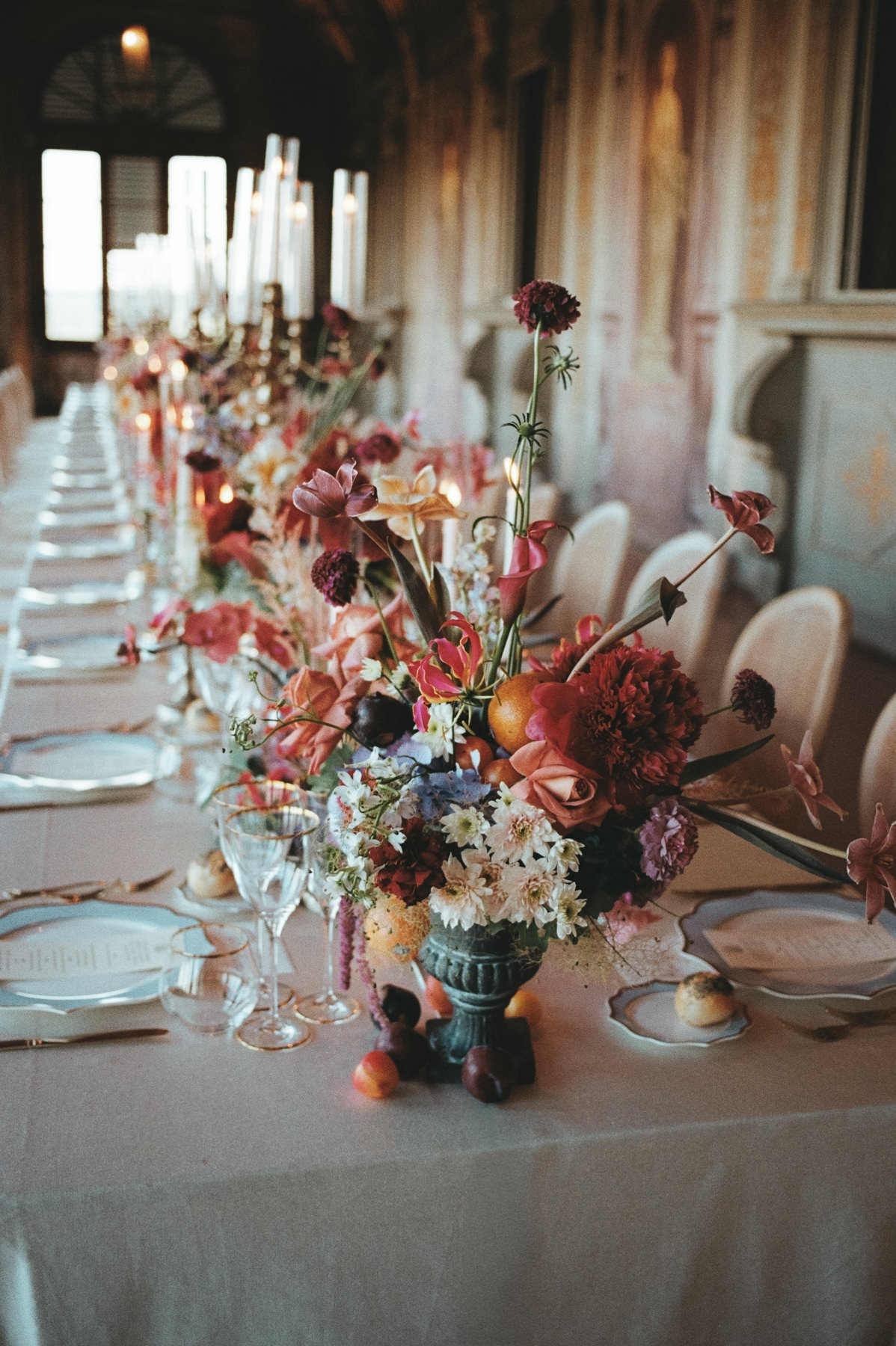
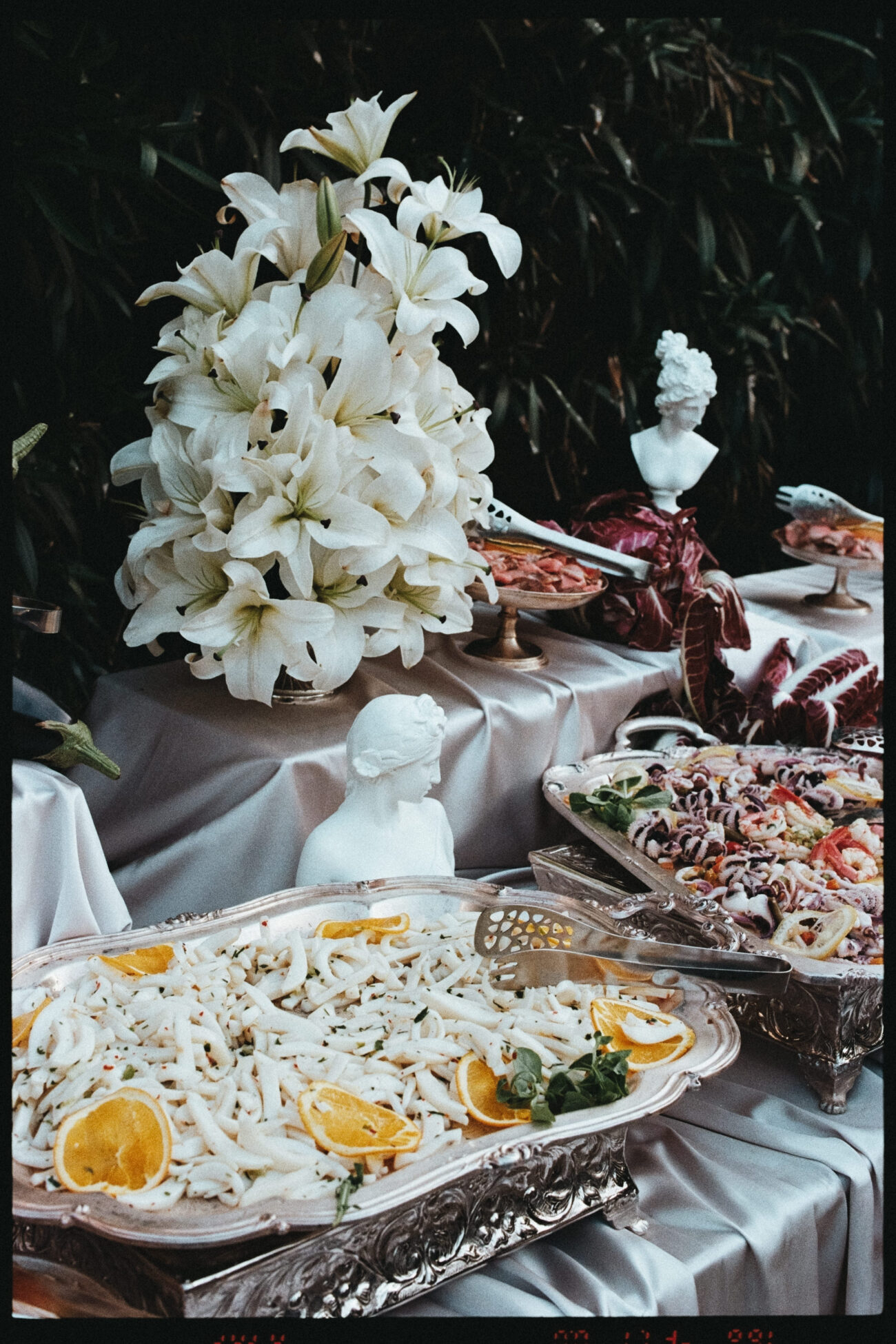
And honestly? I think that’s exactly where Tuscany shines. One of the biggest differences I notice between weddings in Tuscany and weddings in the UK is how much importance is placed on sharing a meal together. Dinner isn’t simply another item on the timeline before everyone heads to the dance floor. It becomes one of the highlights of the entire celebration. Guests stay around the table for hours, another bottle of wine appears, stories are shared, laughter echoes across the courtyard long after dessert has been served. It’s one of the reasons destination weddings here feel so memorable.
When you’re planning your budget, remember that catering isn’t simply paying for dinner. You’re investing in one of the experiences your guests will remember most.
Wedding venue costs in Tuscany
Your venue is likely to be the biggest single investment you’ll make. Prices vary enormously depending on the season, the location, whether you’re hiring the property exclusively and how many nights you’d like to stay.
As a rough guide:
| Venue type | Estimated price |
|---|---|
| Boutique villa | €6,000–€12,000+ |
| Vineyard estate | €10,000–€20,000+ |
| Luxury villa | €15,000–€35,000+ |
| Historic castle | €20,000–€50,000+ |
One thing that’s worth remembering is that many Tuscan venues aren’t simply hired for a single day. You’re often booking exclusive use of an estate where your closest family and friends stay together for several days. That completely changes the experience. Instead of everyone arriving a few hours before the ceremony, your guests wake up together, share breakfast, spend the afternoon by the pool and gather for dinner long before the wedding itself begins.
When comparing prices, always check exactly what’s included. Some venues include accommodation, furniture, breakfast, swimming pools and exclusive use. Others charge separately for almost everything. The cheapest venue isn’t always the best value.
Should you choose a villa, castle or vineyard?
This isn’t really a budgeting question. It’s a question about the atmosphere you want to create. If you’ve always imagined elegant architecture and timeless Italian gardens, a historic villa may be perfect. If wine is one of your greatest loves, celebrating among the vineyards creates a uniquely Tuscan experience. If you’ve dreamed of getting married in a castle, Tuscany offers some incredible medieval estates that combine history with modern luxury.
Rather than asking which venue is the most expensive, ask yourselves which one feels most like you. That’s usually the better investment. If you’re still deciding, I’ve put together another guide featuring 20 of my favourite wedding venues in Tuscany, from luxury villas to hidden countryside estates.
Is exclusive use worth the extra cost?
In my opinion… Yes. Having a venue entirely to yourselves changes the atmosphere completely: your guests relax, children run around freely, breakfast feels like breakfast with family rather than breakfast at a hotel, nobody worries about sharing spaces with other guests they’ve never met.
It transforms the wedding from a one-day event into a shared experience. And that’s something that’s difficult to put a price on.
Catering and drinks: where your guests will spend most of their time
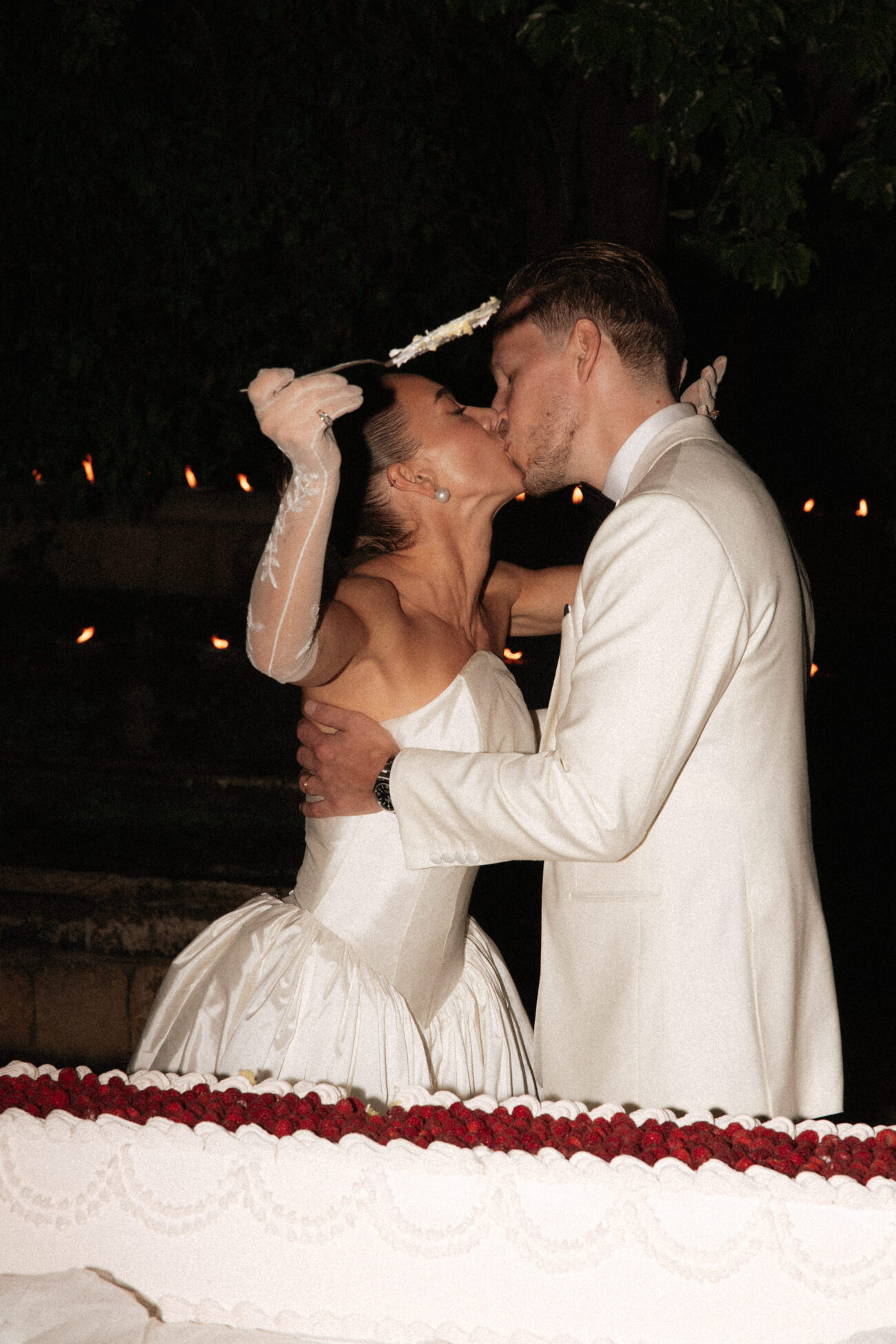
If there’s one area of your budget that I would never be tempted to cut, it’s the food. Not because your guests expect a luxurious meal, but because food is such an important part of Italian culture.
One of the biggest differences I notice between weddings in Tuscany and weddings in the UK is how much time people spend around the dinner table. Dinner isn’t simply served before everyone heads off dancing. It’s an event in itself. Guests chat between courses, another bottle of wine appears, speeches happen naturally, and nobody seems to be looking at their watch.
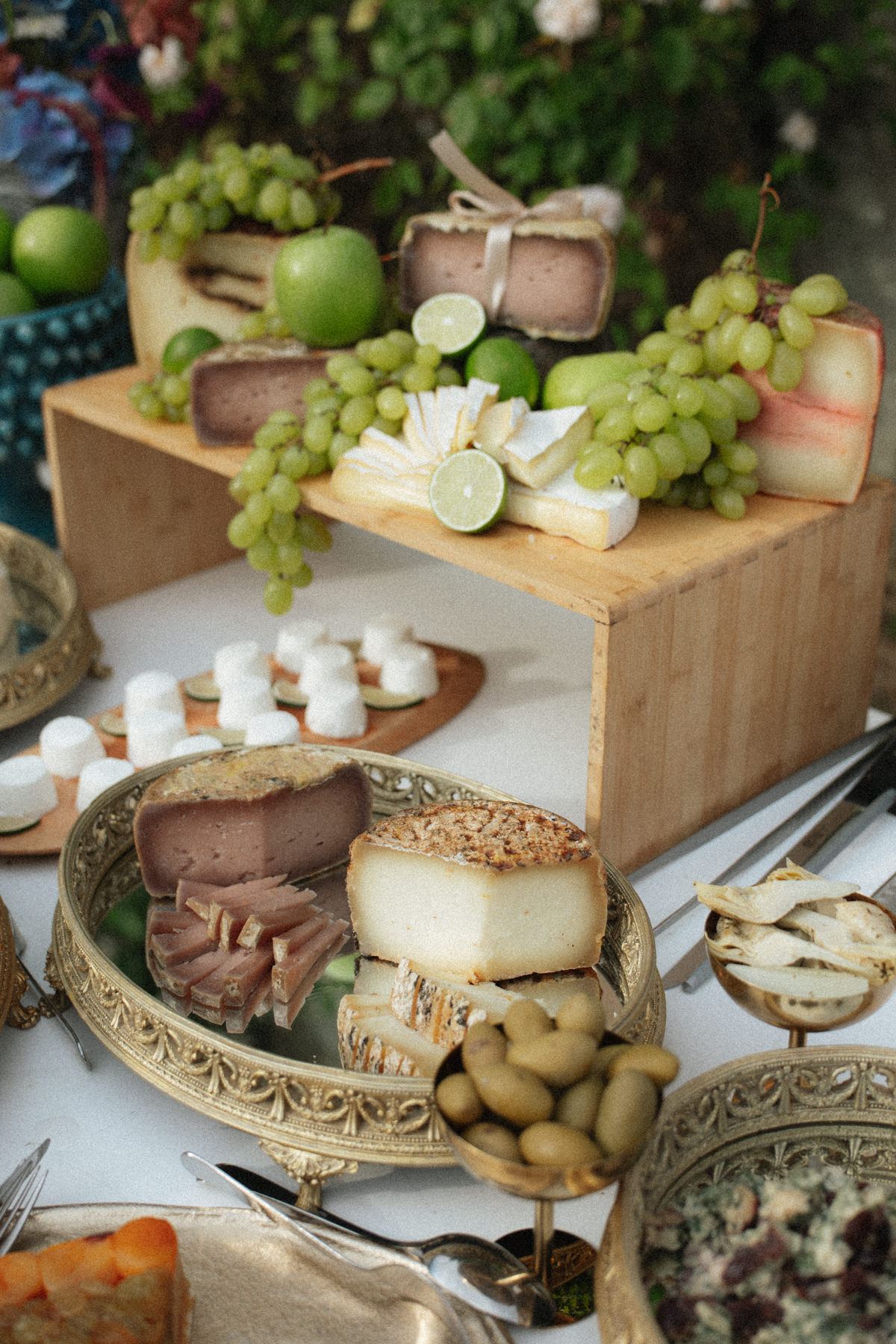
That’s exactly what makes destination weddings here feel so different. As a rough guide, catering usually costs between €180 and €350 per guest, depending on the venue, menu and drinks package. Some luxury venues will charge more, especially if you’re planning multiple days of celebrations. Before comparing prices, check what’s actually included.
Some caterers include:
- Welcome aperitivo
- Four or five-course dinner
- Dessert
- Wedding cake
- Wine, beer and soft drinks
- Coffee and digestifs
- Midnight snacks
Others charge separately for almost everything. Sometimes a package that looks more expensive initially actually offers much better value.

Drinks: don’t forget the bar
Italian wine is one of the reasons many couples choose Tuscany in the first place. Fortunately, many venues produce their own wine, which often means exceptional quality at a much better price than imported bottles.
Depending on your venue, you may also want to budget for:
- Signature cocktails
- Open bar after dinner
- Champagne tower
- Welcome drinks
- Farewell brunch drinks
A good estimate is around €30–€80 per guest, although this varies enormously depending on the style of celebration.
Wedding planner
If you’re planning your wedding from another country, a local wedding planner isn’t simply another supplier. They’re often the person who makes everything possible.
From recommending trusted suppliers to organising transport, managing timelines and speaking directly with venues, a planner removes an enormous amount of stress throughout the planning process. They’ll also understand local customs, contracts and legal requirements far better than someone planning everything from abroad.
Planning fees generally start around €3,000 and can exceed €10,000+ for larger luxury weddings or multi-day celebrations. It might feel like a significant investment, but it’s one that many couples say they would make again without hesitation.
Wedding photography
I’m obviously biased here. But I also think photography is one of the easiest investments to justify. Flowers are beautiful for a day. The food is enjoyed in the moment. The music eventually fades. Your photographs are what remain. They’re what you’ll return to on your first anniversary, your tenth anniversary and hopefully many years after that.
When choosing a photographer, don’t focus only on price, think about the experience you’ll have on the day. You’ll spend more time with your photographer than almost anyone else, so it’s important that you genuinely enjoy being around them and feel completely comfortable.
For destination weddings in Tuscany, professional photography typically ranges from €3,500 to €9,000+, depending on coverage, travel, experience and whether additional photographers are included.
If you’re planning several days of celebrations, remember to budget for events beyond the wedding day itself, such as the welcome dinner or farewell brunch. Some of my favourite photographs are made during those quieter moments when everyone has already relaxed into the weekend.
Videography
More and more couples are choosing to include videography alongside photography, and it’s easy to understand why. Photographs capture a moment. Film captures movement, voices and the atmosphere in a completely different way: hearing your vows again, listening to the speeches, watching your grandparents dancing. Those become priceless memories over time.
Depending on the filmmaker and the length of coverage, videography in Tuscany usually starts around €4,000, with luxury filmmakers charging considerably more.
Flowers and styling
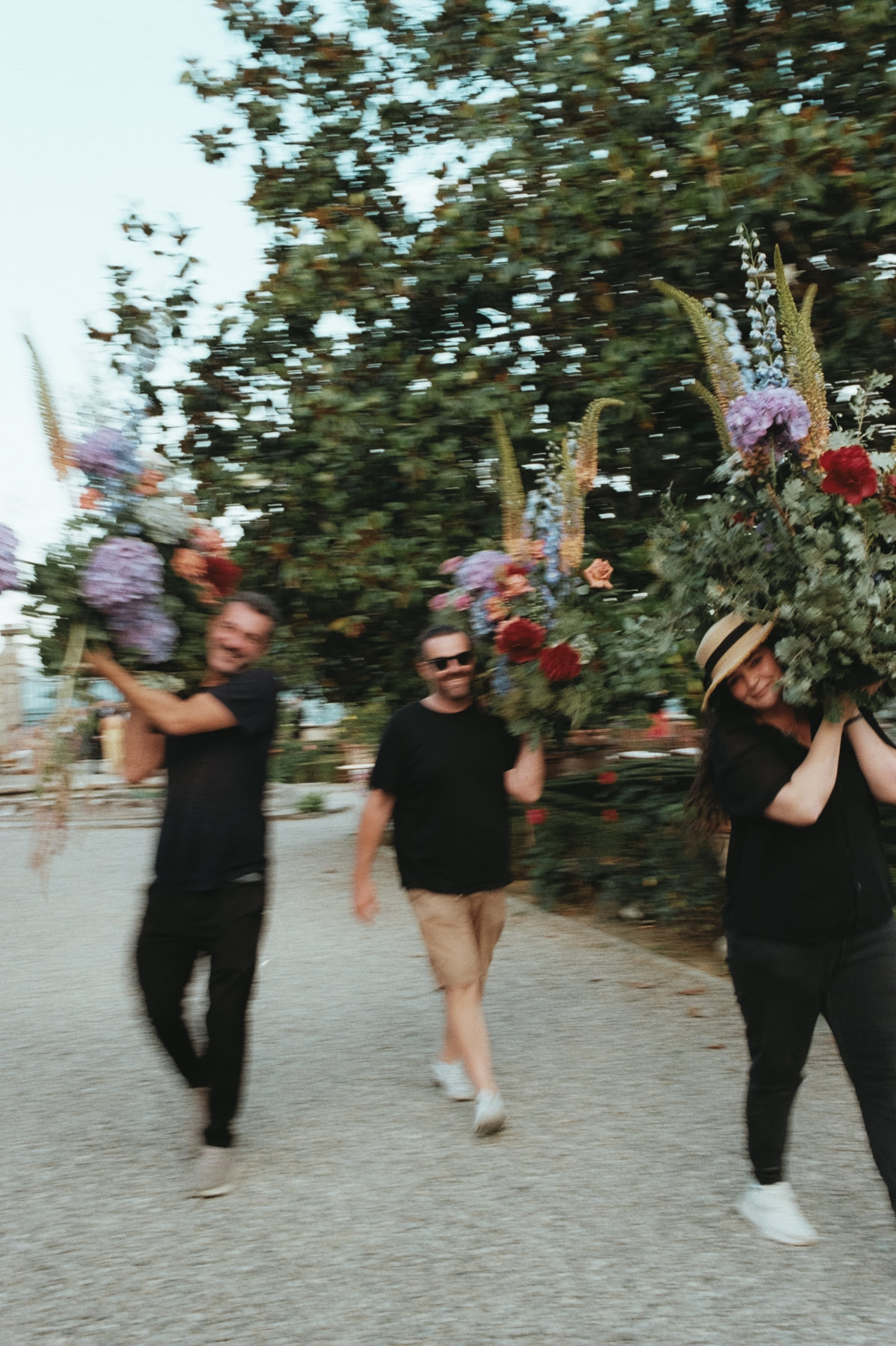
Florals have an incredible ability to transform a space. Whether you’re dreaming of a romantic ceremony framed by white roses or long reception tables overflowing with seasonal flowers, this is often one of the areas where couples choose to make a statement.
Budgets vary enormously depending on the scale of your wedding, but as a guide:
| Floral styling | Estimated cost |
|---|---|
| Bridal bouquet & buttonholes | €300–€700+ |
| Ceremony flowers | €1,000–€4,000+ |
| Reception styling | €2,000–€8,000+ |
| Large floral installations | €10,000+ |
One thing I’d always recommend is working with seasonal flowers. Not only are they usually better value, but they also feel far more connected to Tuscany itself.
Music and entertainment
Think about how you want your wedding to feel, rather than simply filling different parts of the day: live acoustic music during the ceremony creates a very different atmosphere from a string quartet, a jazz band during aperitivo encourages guests to linger, a DJ keeps the dance floor full until the early hours.
Many couples also choose to include something uniquely Italian, whether that’s local musicians during dinner or a surprise performance later in the evening.
Typical entertainment costs might include:
- Ceremony musicians: €500–€1,500+
- Live band: €2,000–€6,000+
- DJ: €800–€2,500+
- Sound and lighting: €1,000–€4,000+
Remember to ask your venue whether there are any restrictions on music after a certain time, especially if you’re celebrating outdoors.
Hair, makeup and getting ready
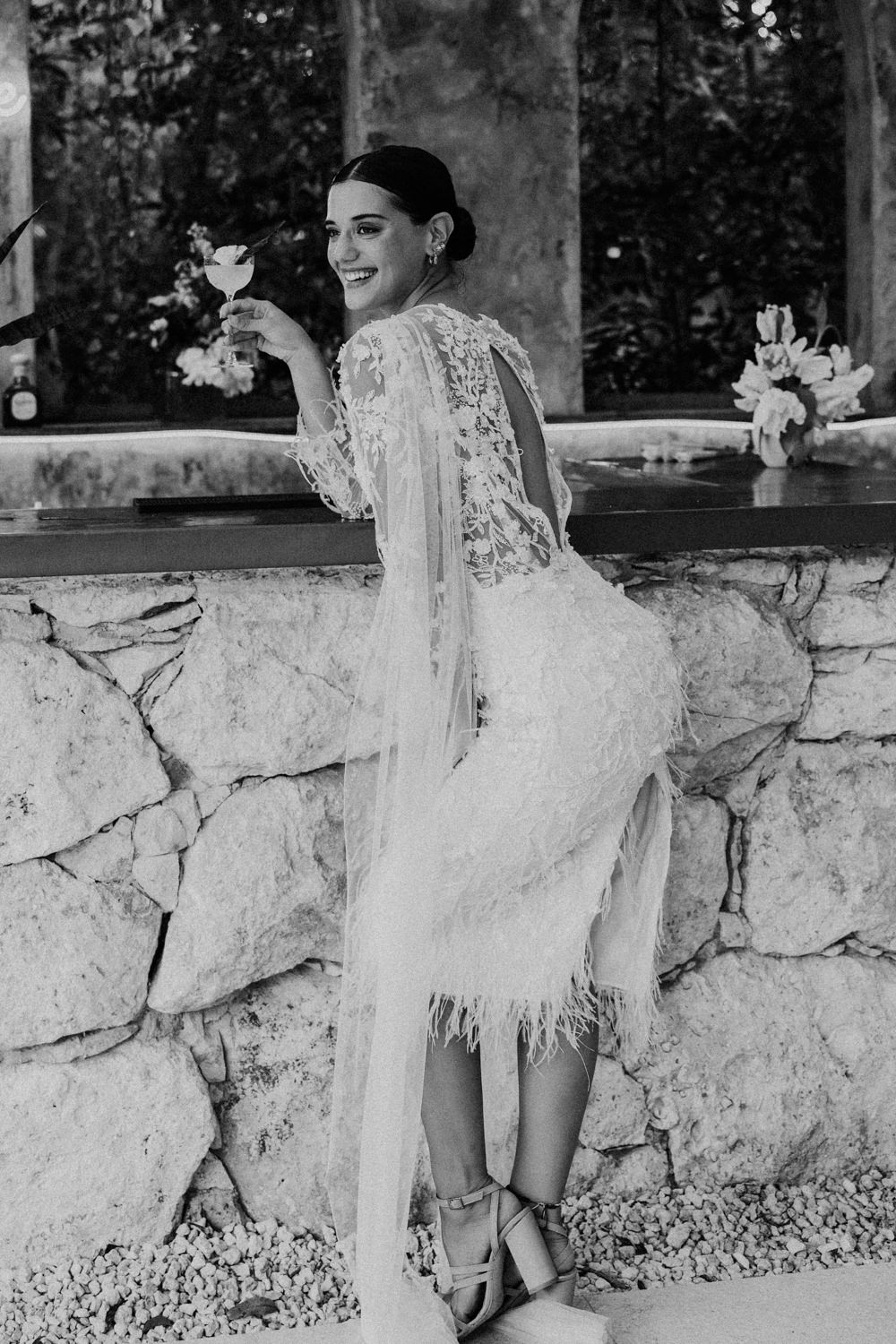
Destination weddings often mean a slower, more relaxed morning, with everyone getting ready together at the villa. Professional hair and makeup usually starts from around €400–€800+ for the bride, with additional costs for bridesmaids and family members. If your venue is in a more remote location, remember to factor in supplier travel fees too.
One piece of advice I’d always give is to allow more time than you think you’ll need.
A relaxed morning sets the tone for the rest of the day, and it’s far nicer to have time for coffee with your favourite people than to feel rushed before the ceremony.
Accommodation: one of the biggest advantages of a destination wedding
One of the reasons destination weddings in Tuscany feel so different is that your guests don’t simply arrive for the ceremony and leave the next morning. They’re part of the experience.
Many Tuscan villas, castles and estates offer on-site accommodation, allowing your closest family and friends to stay together throughout the wedding weekend. It’s one of the things I always encourage couples to consider when choosing a venue.
When everyone is staying in the same place, something lovely happens naturally: morning coffee turns into long conversations, someone opens a bottle of wine by the pool, guests who had never met before become friends by the wedding day. Those moments are impossible to plan, but they’re often what people remember most.
Accommodation costs vary hugely depending on the venue and whether it’s included in the exclusive hire fee. Some venues include rooms within the venue price, while others charge separately.
Before booking, ask:
- Is accommodation included in the venue hire?
- How many guests can stay on-site?
- Are there nearby hotels or villas for additional guests?
- Is breakfast included?
Sometimes paying a little more for accommodation creates a far more relaxed experience for everyone.
Transport: don’t leave it until the last minute
Transport is one of those things that seems straightforward until you realise everyone is arriving from different airports at different times. If most of your guests are travelling internationally, think about how they’ll get to the venue.
Many couples arrange:
- Airport transfers
- Shuttle buses between nearby hotels and the venue
- Transport after the reception
- Return transport the following morning
If your venue is in the countryside, taxis can be limited, especially late at night. Organising transport in advance means everyone can enjoy the celebration without worrying about getting home safely.
Estimated transport costs usually range from €800–€4,000, depending on guest numbers and distances.
Welcome dinners and farewell brunches
One thing I’ve noticed over the last few years is that destination weddings have become less about one spectacular day and more about creating a memorable weekend.
Many couples now include:
- A welcome pizza night
- A relaxed barbecue
- Wine tasting
- Pasta-making class
- Pool party
- Farewell brunch
None of these events need to be extravagant. In fact, some of the most memorable welcome dinners I’ve seen have been incredibly simple: long wooden tables, fresh pasta, candles, local wine, good conversation.
If your budget allows, I’d always recommend including at least one additional gathering before or after the wedding. It gives everyone time to relax and takes away the pressure of trying to speak to every guest on the wedding day itself.
Hidden costs couples often forget
When planning your budget, it’s easy to focus on the obvious things like the venue, catering and photography. But there are always a few smaller expenses that can add up if they’re not included from the beginning.
Some of the most common hidden costs include:
- Supplier accommodation
- Supplier travel expenses
- Tourist taxes
- Venue cleaning fees
- Furniture hire
- Generator hire for remote venues
- Ceremony permits
- Additional lighting
- Dance floor hire
- Late-night snacks
- Welcome bags for guests
- Hair and makeup trials
- Wedding insurance
Not every wedding will need all of these, but it’s worth discussing them with your planner before finalising your budget.
Where I’d personally invest
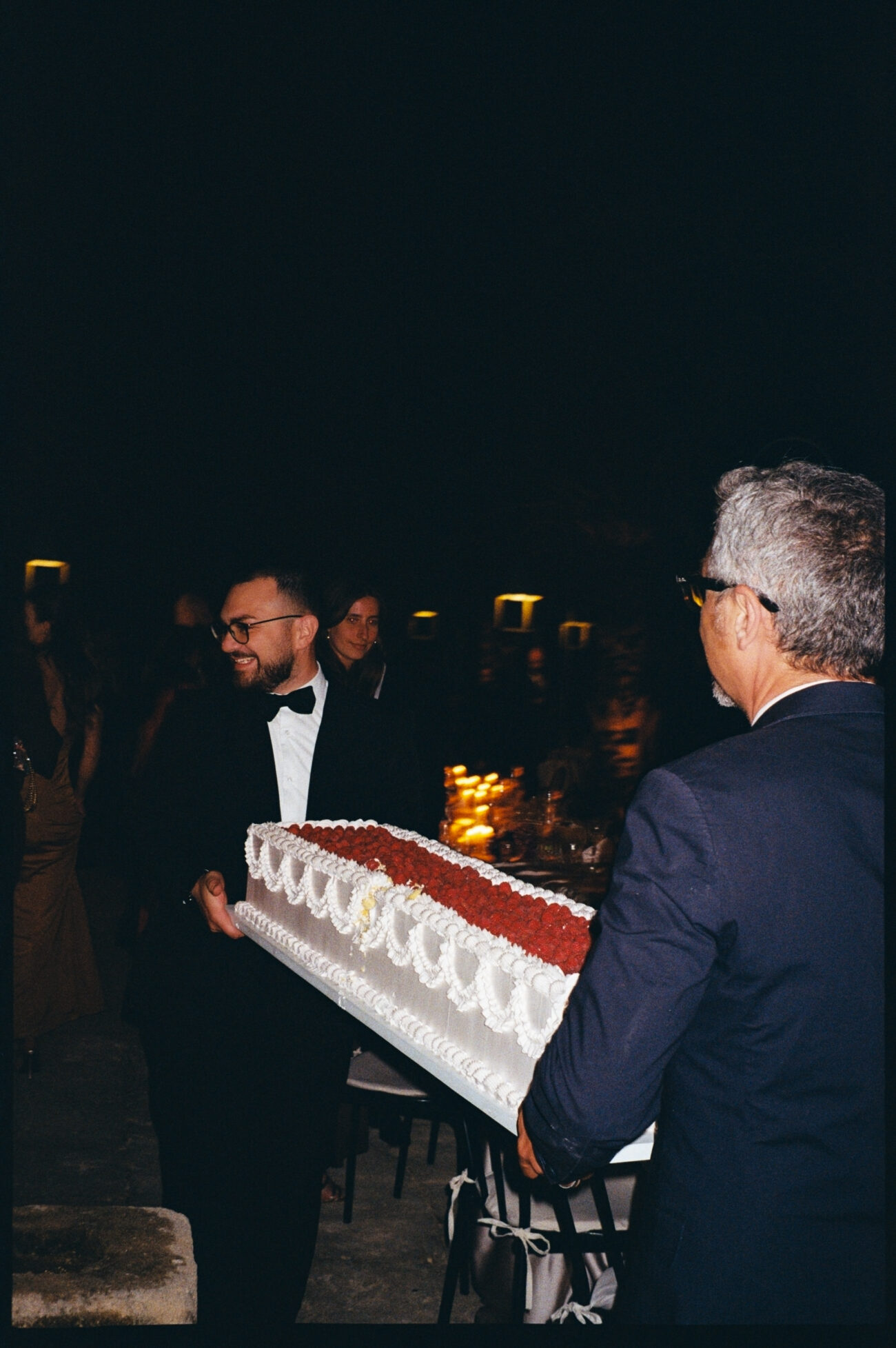
Every couple has different priorities: some dream of spectacular floral installations, others want a Michelin-star dining experience, some care most about the party. If I had to choose where to invest, this would be my order.
Photography
Your wedding photographs become more valuable with every passing year. They’re one of the few things you’ll return to over and over again.
Food and wine
You’re in Tuscany, make the most of it. Your guests will probably forget what colour your napkins were. They’ll definitely remember the incredible meal you shared together.
A great planner
Planning a destination wedding from another country is very different from planning one close to home. Having someone local who understands the language, suppliers and logistics is invaluable.
Guest experience
Sometimes the smallest details make the biggest difference: a welcome dinner, comfortable transport, cold drinks before the ceremony, a relaxed brunch the following morning. Those thoughtful touches create the atmosphere people remember.
Where you can save without compromising your wedding
Not every part of your wedding needs a huge budget. If you’re trying to keep costs under control, consider:
- Choosing seasonal flowers instead of imported blooms.
- Having a smaller wedding party.
- Booking outside peak season.
- Reusing ceremony flowers during dinner.
- Keeping stationery simple.
- Choosing a venue that includes accommodation and furniture.
One thing I’d avoid compromising on is time, trying to squeeze everything into a single afternoon often creates unnecessary stress. If possible, give yourselves a little breathing room. It’s one of the greatest luxuries a destination wedding offers.
Frequently asked questions
Is Tuscany expensive for a wedding?
It can be, but it doesn’t have to be. Tuscany offers everything from intimate countryside weddings to multi-day luxury celebrations. Your overall budget depends far more on your guest numbers, venue and priorities than simply the location itself.
What is the average cost of a wedding in Tuscany?
Most destination weddings fall somewhere between €40,000 and €80,000, while luxury celebrations can easily exceed €100,000+. Smaller weddings with fewer guests may cost considerably less.
Is a destination wedding cheaper than getting married at home?
Sometimes. Many couples invite fewer guests to destination weddings, which can reduce overall costs. On the other hand, multi-day celebrations often include additional accommodation, transport and welcome events. Rather than comparing prices directly, think about the experience you’re creating.
How far in advance should we book?
Ideally, 12 to 18 months before your wedding. The most popular Tuscan venues and suppliers often book well over a year in advance, especially for dates between May and September.
Is exclusive venue hire worth it?
In my opinion, yes. Having the entire venue to yourselves creates a much more relaxed atmosphere and allows your guests to fully enjoy the experience without sharing the space with other visitors.
Final thoughts
One thing I’ve realised after photographing destination weddings is that couples rarely remember exactly how much they spent on each part of their wedding. They remember how it felt. They remember sitting around a long table as the sun disappeared behind the vineyards. They remember their family laughing together over another bottle of local wine. They remember seeing everyone they love in one place, without anyone rushing home after the first dance. To me, that’s what makes a wedding in Tuscany so special.
Yes, your budget matters. But what matters even more is creating an experience that feels true to you.
Whether you’re planning an intimate celebration with twenty guests or a three-day wedding weekend in a historic villa, invest in the things that will help you slow down, be present and enjoy every moment. Years from now, those are the memories that will stay with you.
Planning your wedding in Tuscany?
If you’re dreaming of a destination wedding in Tuscany and are looking for a photographer who captures the atmosphere just as much as the photographs, I’d love to hear about your plans.
My approach is relaxed, documentary-led and focused on genuine moments—the laughter around the dinner table, the quiet walks through the vineyards and all the little moments in between that make your wedding uniquely yours.
If that sounds like the way you’d like your wedding to be remembered, I’d love to tell your story.